Nyerere National Park

The Wild Soul of Southern Tanzania

Formerly part of the vast Selous Game Reserve, Nyerere National Park is now Tanzania’s largest protected wildlife area and one of the most untouched safari destinations in Africa. Spanning over 30,000 square kilometers, this UNESCO World Heritage Site offers a remote, uncrowded, and breathtaking safari experience. With riverine forests, grassy plains, and winding waterways, Nyerere is a haven for nature lovers and adventurous travelers.

Attractions Found in Nyerere National Park

Nyerere National Park is incredibly diverse, both in landscape and wildlife:

Rufiji River

Tanzania’s largest river cuts through the park, drawing animals year-round and offering boat safari experiences like nowhere else.

Rich Wildlife

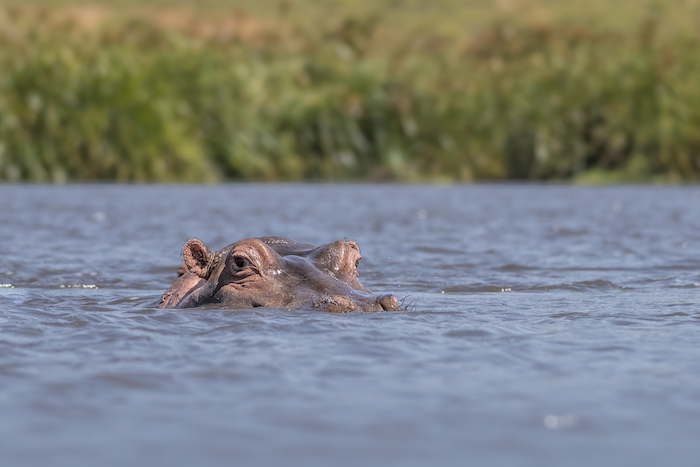
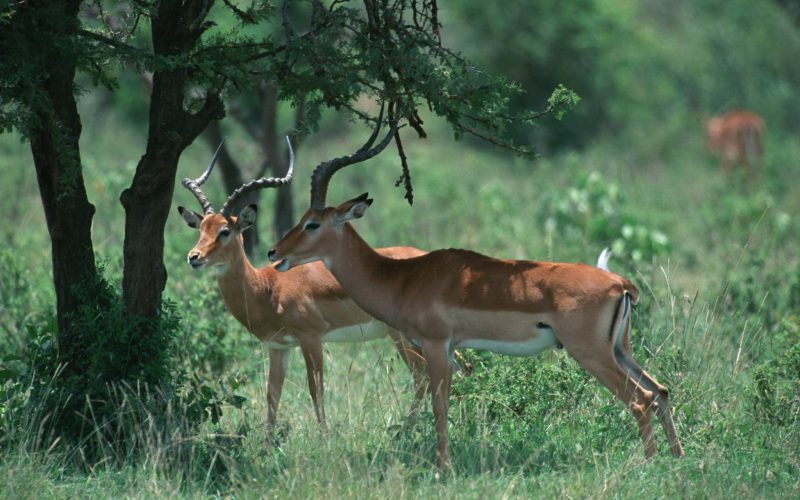
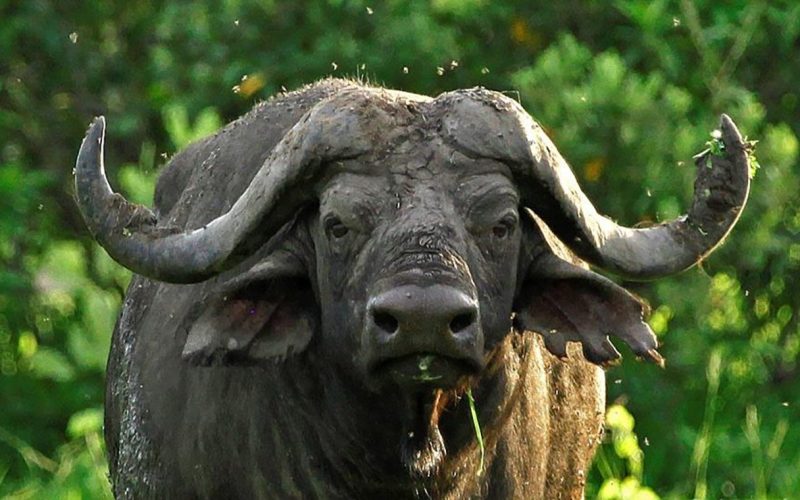
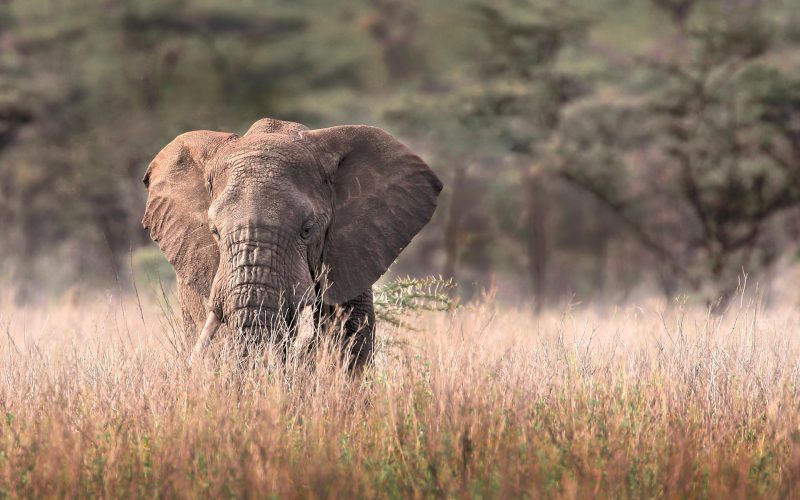
Home to elephants, lions, hippos, crocodiles, buffaloes, leopards, giraffes, and antelope species like sable and puku.

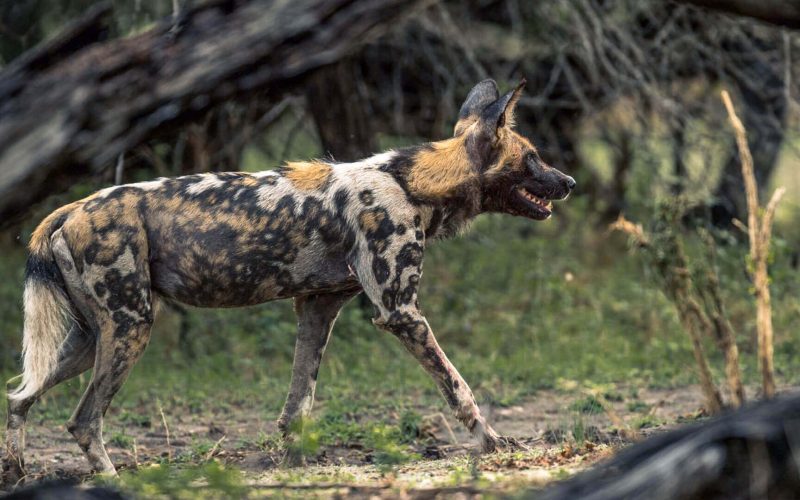
African Wild Dogs

Nyerere is one of the best places in Africa to see endangered African wild dogs in the wild.

Birdwatcher’s Paradise

Over 440 bird species thrive here, from fish eagles to bee-eaters and kingfishers.

Scenic Landscapes

Picture-perfect savannahs, palm-studded wetlands, and miombo woodlands create stunning backdrops for safari adventures.

Things to Do in Nyerere National Park

Nyerere offers more than classic game drives—it’s a place of variety and immersive experiences:

Boat Safaris

Cruise along the Rufiji River among hippos, crocodiles, and thirsty wildlife—ideal for sunset views and birdwatching.

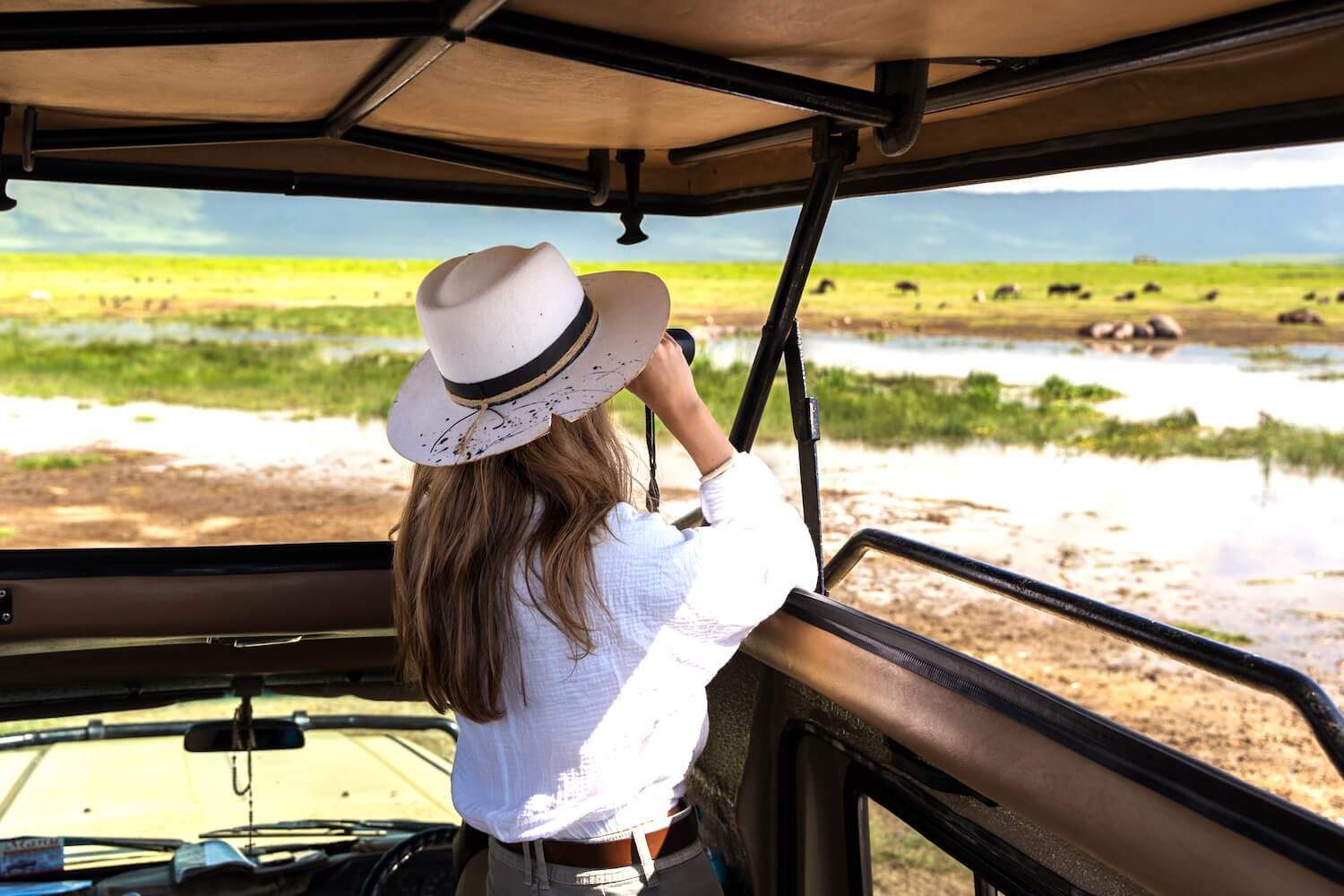
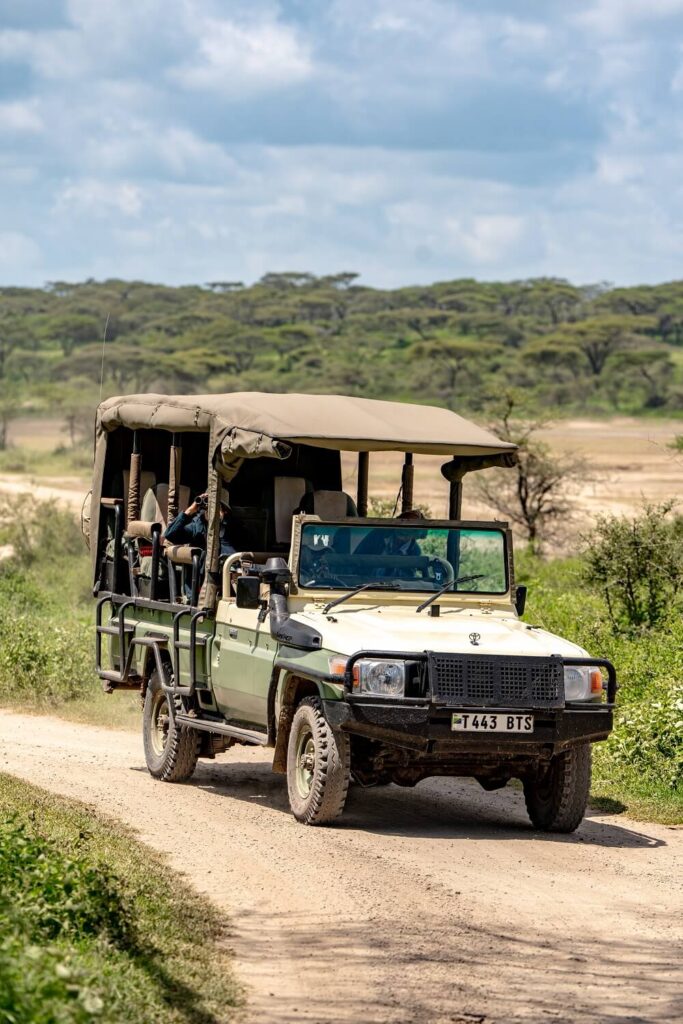
Explore the vast plains in 4×4 vehicles, guided by experts who track lions, elephants, and elusive leopards.

Step into the wild with a ranger and discover the ecosystem on foot—an authentic, thrilling way to connect with nature.

Cast a line in the Rufiji River for tigerfish and catfish—perfect for angling enthusiasts.

Spend hours spotting colorful and rare bird species in riverine forests and wetlands.

Weather and Climate in Nyerere National Park

Nyerere has a tropical savannah climate, generally warm and humid with distinct wet and dry seasons:

The best time for wildlife viewing. Animals gather around shrinking water sources, and vegetation is less dense. Temperatures range from 25°C to 30°C (77°F to 86°F).

Lush, green landscapes, migratory birds, and fewer visitors. Calving season draws predators for dramatic sightings.

    • Short Rains – November to December: Light showers refresh the environment.
    • Long Rains – March to May: Heavier rains, especially in April, when some camps may close due to flooding.

How to Get to Nyerere National Park

Getting to this remote wilderness is easy and scenic:

By Air

Daily scheduled flights from Dar es Salaam, Zanzibar, or Arusha land at Mtemere or Siwandu airstrips, directly inside the park.

By Road

A 6- to 7-hour drive from Dar es Salaam. Though long, it offers beautiful views of rural Tanzania and is perfect for adventurous travelers.

Safari Circuit

Nyerere combines well with Mikumi, Ruaha, and Zanzibar for an unforgettable Southern Circuit journey.

RELATED DESTINATIONS PACKAGES

Arusha National Park

Ruaha National Park

Serengeti National Park